



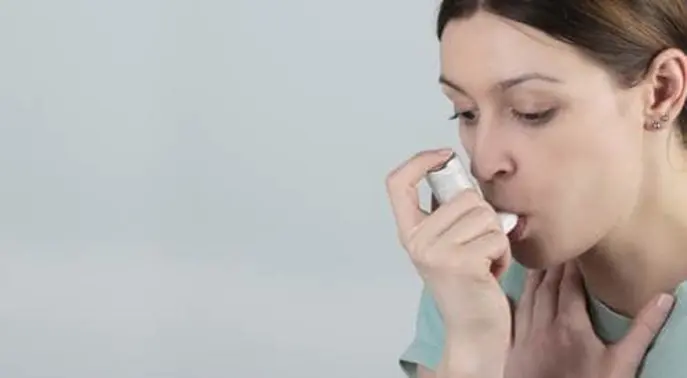
Many individuals living with asthma actively seek treatments beyond conventional medicine. These complementary and alternative approaches, often referred to as CAM, encompass a wide spectrum from herbal remedies to mind-body practices like yoga. While traditional medical care remains the cornerstone for effective asthma management, understanding these additional options can empower you to take a more holistic approach to your health journey.
Research into CAM therapies for asthma often faces challenges in establishing definitive safety and efficacy due due to limited rigorous clinical trials. In fact, some early surveys have even highlighted a potential link between increased CAM use and more severe symptoms or emergency visits when conventional treatments were neglected. This comprehensive guide will shed light on popular complementary and alternative asthma treatments, examining the current evidence and safety considerations for each.
- Understanding Complementary and Alternative Treatments for Asthma
- Acupuncture for Asthma Relief
- Breathing Exercises: Enhancing Lung Function
- Herbal Remedies: Ancient Wisdom with Modern Cautions
- The Power of Relaxation: Massage and Stress Reduction
- Vitamins and Supplements: Do They Make a Difference?
- Prioritizing Safety and Evidence-Based Care
Understanding Complementary and Alternative Treatments for Asthma
Complementary and alternative medicine (CAM) refers to a group of diverse medical and healthcare systems, practices, and products that are not generally considered part of conventional medicine. For asthma, these treatments aim to support traditional care by potentially reducing symptom frequency, severity, or by improving overall well-being. It is crucial to remember that \”alternative\” does not mean \”instead of\” conventional treatment; rather, these methods should complement your prescribed medical regimen.
Acupuncture for Asthma Relief
Acupuncture involves inserting extremely thin needles into specific points on the skin. This ancient Chinese practice aims to balance the body’s energy flow and promote healing. Some studies suggest acupuncture may help alleviate asthma symptoms, particularly in managing chronic inflammation and improving lung function. However, researchers emphasize that more extensive and conclusive studies are necessary to fully ascertain the long-term benefits and precise mechanisms of this method in asthma treatment.
If you decide to explore acupuncture, always choose a certified and experienced practitioner. Ideally, seek someone who also holds a medical specialization to ensure the highest standards of care and safety.
Breathing Exercises: Enhancing Lung Function
Specific breathing techniques, such as Buteyko breathing and various Pranayama exercises from yoga, specifically target the reduction of hyperventilation and the regulation of breathing patterns. These practices empower individuals to feel more in control of their respiration and can help manage acute asthma symptoms by promoting calmer, more efficient breathing.
While these techniques do not typically address the underlying allergic or inflammatory responses that primarily cause asthma, many individuals who regularly practice them report a noticeable improvement in their symptoms and overall quality of life. Consistent practice can lead to a greater sense of calm and better breath management during daily activities.
Herbal Remedies: Ancient Wisdom with Modern Cautions
For thousands of years, various cultures, particularly in Asia, have utilized herbal remedies to address respiratory issues. While some research shows promising results for specific herbs or traditional formulations, further comprehensive studies are crucial to validate their effectiveness and establish safe usage protocols. Traditional Chinese, Indian, and Japanese medicine often involve the use of complex herbal mixtures, suggesting that certain combinations might be more effective than single herbs.
Key Considerations for Herbal Treatments
Before considering any herbal remedy for asthma, it is vital to exercise caution and engage in an open discussion with your healthcare provider. Keep the following concerns in mind:
- Quality and Dosage: The active content in herbal remedies frequently lacks standardization and can vary significantly in quality and potency between products or batches. Some herbal treatments might even contain unlisted ingredients or harmful contaminants.
- Side Effects: Herbal supplements can cause side effects ranging from mild to severe, depending on the herb and the dosage. Be particularly wary of herbal asthma treatments containing ephedra (also known as Ma Huang) or similar substances like bitter orange. These can significantly raise blood pressure and have been linked to serious cardiovascular events, including heart attacks and strokes. Ephedra is, in fact, banned in the United States due to these risks.
- Drug Interactions: Certain herbal treatments can interact negatively with prescription medications, potentially reducing their effectiveness or increasing adverse effects. Always disclose all herbs and supplements you are taking to your doctor.
These concerns do not necessarily mean that exploring herbal treatments is inherently a bad idea, but they underscore the critical need for caution. Always speak with your doctor before taking any herbal treatment to ensure it is safe and appropriate for your specific health needs and existing medications.
The Power of Relaxation: Massage and Stress Reduction
Beyond traditional massage, relaxation techniques encompass practices such as meditation, biofeedback, and progressive muscle relaxation. While direct benefits on asthma pathophysiology remain largely unconfirmed by extensive research, these practices significantly reduce psychological stress and foster an enhanced sense of overall well-being. Stress is a known trigger for asthma attacks in many individuals, so managing it effectively can play an indirect yet crucial role in asthma care.
Incorporating relaxation techniques into your daily routine, alongside your prescribed asthma treatment and regular exercise, can contribute significantly to a calmer demeanor and improved general health. This holistic approach supports both your mental and physical state.
Vitamins and Supplements: Do They Make a Difference?
Researchers are still conducting studies to definitively determine whether specific vitamins or other nutrients can help alleviate asthma symptoms, particularly in individuals who may have underlying deficiencies. However, three substances have shown some positive indications:
Antioxidants
Individuals experiencing severe asthma sometimes exhibit lower levels of protective nutrients commonly found in fruits and vegetables. Antioxidants like magnesium, vitamin C, and vitamin E show potential in influencing asthma, though this area requires continued scientific exploration to establish clear guidelines.
Omega-3 Fatty Acids
Omega-3 fatty acids, found abundantly in many types of fish, contain healthy oils known to reduce inflammation, a key component of asthma. These fatty acids also offer numerous other health benefits, including supporting heart and brain health. While fish sources are well-established, research is ongoing to determine if plant-based sources, such as flaxseed oil and canola oil, provide the exact same anti-inflammatory benefits for asthma.
Vitamin D
A deficiency in Vitamin D is surprisingly common among some asthma patients. Researchers are actively investigating whether supplementing with Vitamin D can help reduce asthma symptoms in specific individuals, potentially by modulating immune responses or reducing airway inflammation.
While multivitamins and other supplements can help bridge nutritional gaps, the most effective and safest way to ensure adequate nutrient intake is through a balanced diet rich in fresh, unprocessed foods. Increasing your consumption of fruits, vegetables, cold-water fish, nuts, and flaxseeds poses no negative side effects and can offer broad health advantages that support your overall well-being, including respiratory health.
Prioritizing Safety and Evidence-Based Care
Ultimately, more robust and well-designed studies are essential before researchers can conclusively determine which complementary and alternative asthma treatments offer proven efficacy and safety. It is paramount to discuss any potential complementary or alternative treatments with your healthcare provider before beginning them. Crucially, never discontinue prescribed medications or other conventional medical treatments without explicit guidance from your doctor. Your healthcare team can provide personalized advice, ensuring that any new approach integrates safely and effectively with your existing asthma management plan.